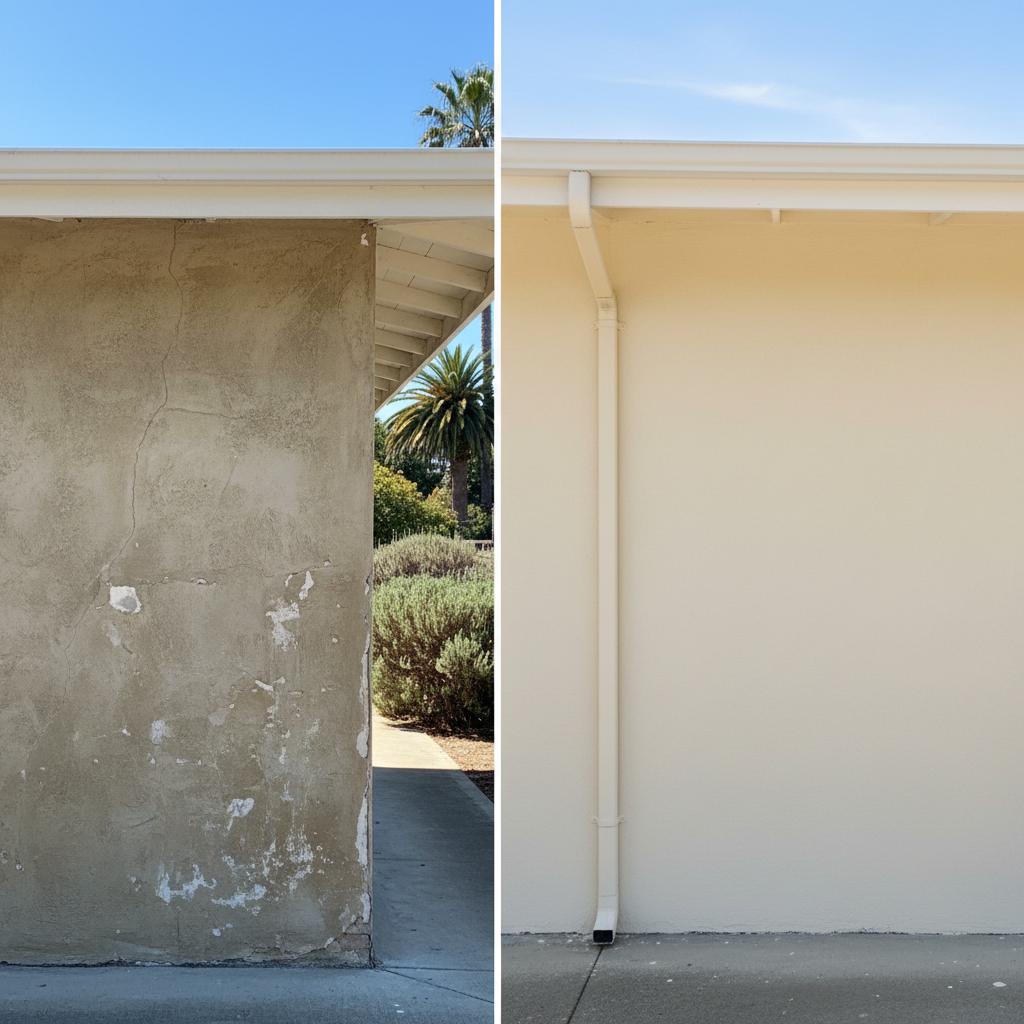
Got an older home in Burlingame with wood siding, maybe some of that T1-11 that's seen better days, and you're dreaming of a fresh stucco look? It's a common thought, isn't it? Stucco offers a great, durable finish that really suits a lot of the architecture around here, from the Mediterranean Revival homes in Lyon Hoag to the more contemporary builds. But when you've already got something on your walls, you've got a decision to make: do you strip it all down to the studs, or can you just stucco right over it?
Option 1: Stucco Over Existing Siding
This is often the first thing people ask me about because it sounds like the easier, cheaper way to go. And sometimes, it can be. The idea is that instead of ripping off all your old siding, you prepare it and then apply the new stucco system right on top.
The Good Parts:
- Potentially Lower Upfront Cost: You save on demolition labor and disposal fees. That can really add up, especially if you've got a big house.
- Faster Project Time: No demo means less time on site for my crew, which usually translates to a quicker turnaround for you.
- Added Insulation: The old siding, even if it's just wood, can add a little extra R-value to your walls. That's never a bad thing for energy efficiency.
The Not-So-Good Parts:
- Wall Thickness: This is a big one. Adding stucco over existing siding makes your walls thicker. This means your windows and doors will look recessed, and you might need to extend jambs or trim. It can also mess with existing architectural details.
- Flashing Issues: Proper flashing around windows, doors, and at the foundation is critical for keeping water out. When you add thickness, you often compromise existing flashing or make it harder to install new, effective flashing. Water intrusion? That's a nightmare you want to avoid at all costs.
- Weight: Stucco is heavy. Your existing wall structure needs to be able to support that extra weight. Most homes are built to code, but adding a whole new layer of material needs to be considered.
- Substrate Stability: If your existing siding isn't perfectly flat or has any rot or damage, stuccoing over it just locks in those problems. The stucco finish will only be as good as what's underneath.
Option 2: Strip It Down to the Sheathing
This approach involves removing all the old siding, getting down to the building's structural sheathing, and then installing a brand-new stucco system from scratch.
The Good Parts:
- A Clean Slate: This is the biggest advantage. You get to inspect the sheathing, fix any hidden damage (like dry rot or termite issues that the old siding might have been hiding), and ensure a perfectly flat, stable surface for the stucco.
- Proper Flashing and Drainage: We can install a full, code-compliant weather-resistive barrier (WRB) and flashing system. This is crucial for long-term durability and preventing water intrusion, especially with the occasional heavy rains we get here in Burlingame. A good drainage plane behind your stucco is your best friend.
- Consistent Wall Thickness: Your windows and doors will maintain their original depth and appearance.
- Modern Stucco System: You can install a modern, engineered stucco system that's designed for optimal performance and longevity.
- No Hidden Surprises: You know exactly what's behind your stucco.
The Not-So-Good Parts:
- Higher Upfront Cost: Demolition isn't free. You'll pay for labor to remove the old siding and for disposal.
- Longer Project Time: The demo phase adds time to the overall project schedule.
- Temporary Exposure: Your home's exterior will be exposed to the elements for a period during demo and before the new WRB is fully installed. We take precautions, of course, but it's something to be aware of.
My Recommendation for Burlingame Homeowners
Look, I've been doing this for a long time at Mighty Stucco & Plastering, and I've seen a lot of different situations. While stuccoing over existing siding might seem attractive for the cost savings, I almost always recommend stripping it down to the sheathing. Especially in a climate like ours where we get coastal moisture and sometimes driving rain, you absolutely need a properly installed water management system behind your stucco.
Knowing you've got a solid, clean substrate and a perfectly installed weather barrier is worth the extra cost and time. You're investing in your home's long-term health and value. Cutting corners on the foundation of your exterior finish can lead to expensive problems down the road – and believe me, fixing water damage is way more costly than proper prep.
When you're making this kind of investment, you want it done right. Give me a call, and we can take a look at your specific situation and figure out the best, most durable plan for your home.