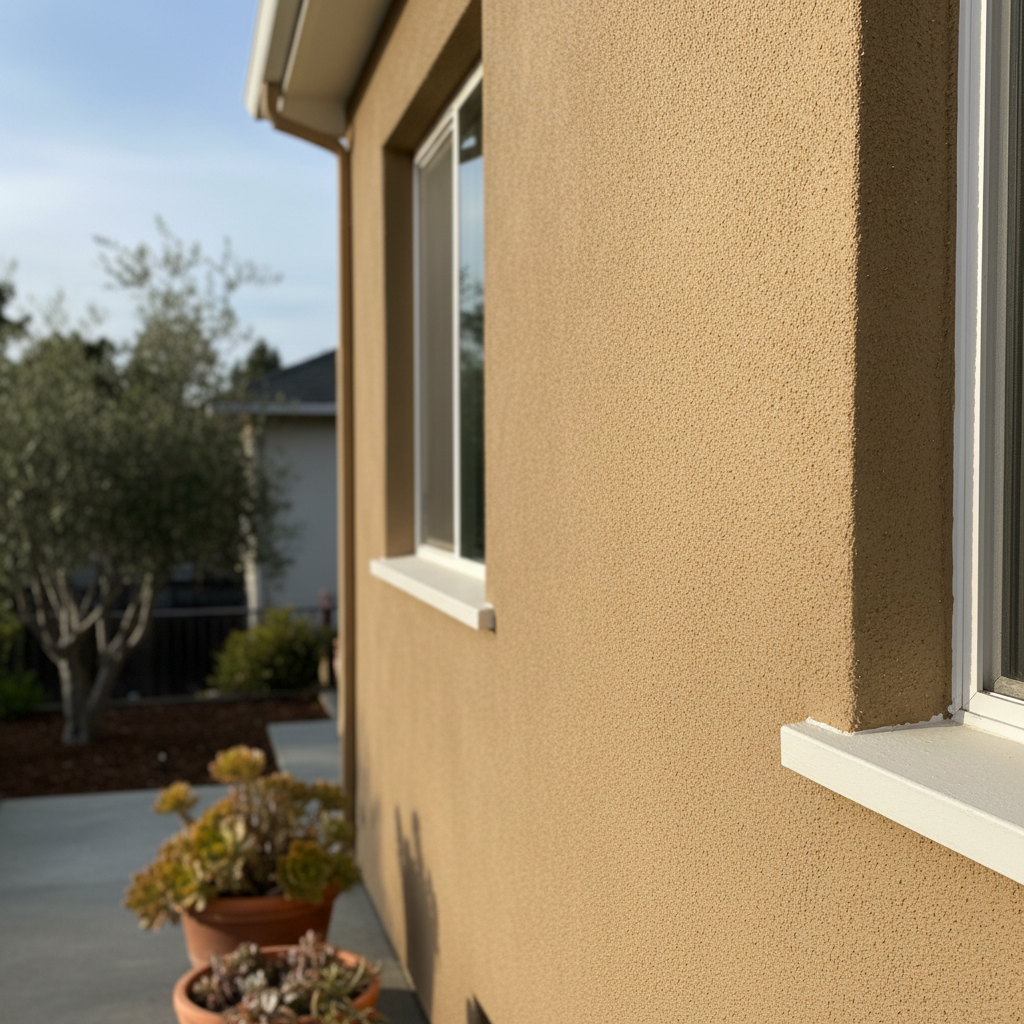
What exactly is stucco redashing, and how is it different from just painting?
Okay, let's clear this up right away because it's a common mix-up. Painting stucco is just putting a new color coat on top of the existing finish. It's like putting a fresh shirt on an old, worn-out body. Redashing, on the other hand, is a much more comprehensive process. We're talking about applying a brand-new finish coat of stucco over your existing one. It's not just cosmetic; it actually adds a new layer of protection and can even improve the structural integrity of your stucco system. Think of it as a full skin rejuvenation for your house, not just makeup. It's a proper, durable solution if your stucco is looking tired or has minor surface issues, but isn't completely falling apart.
How do I know if my stucco needs redashing or a full replacement?
This is where my experience really comes in handy. You'll know your stucco needs redashing if you see widespread fading, minor hairline cracks that aren't structural, or just a generally worn-out appearance. Maybe the texture isn't as crisp as it used to be, or it's just looking dull. Redashing can fix all that. But if you've got big, spiderweb cracks, sections of stucco that are loose or crumbling, water intrusion issues, or a lot of soft spots, especially around windows or at the base of your walls, then you're likely looking at more than just a redash. That's usually a sign of deeper problems, possibly even behind the stucco, and that often means a partial or full replacement is necessary to address the underlying issues properly. We always do a thorough inspection to figure out the right path.
What's the typical timeline for a stucco redashing project in Burlingame?
The timeline can vary quite a bit, honestly, depending on the size of your home, the complexity of the architecture, and, of course, the weather. For an average-sized Burlingame home, say a 2,000-3,000 square foot house, you're usually looking at anywhere from one to two weeks from start to finish. That includes prep work like cleaning and minor repairs, the actual application of the new finish coat, and then the crucial drying and curing time. We always try to schedule these jobs during our drier months, but even then, a surprise rain shower can push things back a day or two. You know how our weather here can be, especially near the Bay — sometimes that marine layer hangs around longer than you'd like. We'll give you a clear schedule upfront and keep you updated every step of the way.
What kind of maintenance does redashed stucco require?
One of the best things about stucco, especially a freshly redashed one, is how low-maintenance it is. You're not going to be painting it every few years like wood siding. Generally, you'll want to give it a good cleaning every few years. A gentle power wash on a low setting or even just a good scrub with a soft brush, water, and a mild detergent can do wonders to remove dirt, dust, and any mildew that might accumulate, especially on the shadier sides of your house. Keep an eye out for any new cracks that might develop over time, and address them quickly. That's about it! It's built to last, and with minimal care, it'll look great for decades.
Can I change the color or texture of my stucco when I redash?
Absolutely, that's one of the big advantages of redashing! You're not stuck with what you had before. This is your chance to completely refresh the look of your home. You can go for a totally new color – maybe you want to lighten up that old, dark brown, or go for a more modern grey that's popular in the Mills Estate area. And texture? You've got options there too. We can match your existing texture if you love it, or we can go for something completely different. Maybe you want a smoother Santa Barbara finish, or a more pronounced dash texture. We'll show you samples and talk through all the possibilities so you can pick exactly what you want for your home's new look.
What's the cost difference between redashing and a full stucco replacement?
This is usually the big question, right? And it's a significant difference. Redashing is almost always considerably less expensive than a full stucco replacement. When you're doing a full replacement, you're paying for the labor to tear off all the old stucco, dispose of it, inspect and potentially repair the underlying sheathing and weather barrier, and then apply a whole new multi-coat stucco system from scratch. That's a lot of material and a lot of labor. Redashing, on the other hand, is essentially adding a new finish layer over a sound existing base. You're saving a ton on demolition, disposal, and the extensive base coat work. It's tough to give exact numbers without seeing your place, but you could be looking at saving anywhere from 30% to 60% or more by redashing versus a full tear-off and replacement. Mighty Stucco & Plastering always provides a detailed, transparent quote so you know exactly what you're paying for.
Will redashing help with my home's insulation or energy efficiency?
That's a good question, and the short answer is: yes, it can, but don't expect a miracle. Adding a new layer of stucco, even if it's just the finish coat, does add a little bit of thermal mass to your exterior walls. That extra mass can help moderate temperature swings, making your home feel a little cooler in the summer and a little warmer in the winter. It's not going to be as dramatic as adding new insulation inside your walls or upgrading your windows, but every little bit helps, especially with our mild but sometimes surprisingly chilly Burlingame mornings. Think of it as a small bonus benefit rather than the primary reason to redash.
Are there any downsides or risks to redashing?
Like anything, there are a few things to consider. The main risk is if you try to redash over stucco that really needs a full repair or replacement. If there are underlying moisture issues or structural damage, simply putting a new finish coat on top won't solve those problems; it'll just hide them temporarily, and they'll likely resurface, potentially worse, down the line. That's why a thorough inspection by someone who knows stucco inside and out is crucial. Also, if the existing stucco is too uneven or has too many deep cracks, the new finish might not adhere perfectly or might show imperfections. We'll always be upfront with you if we think redashing isn't the best solution for your specific situation. We're here to give you honest advice, not just sell you a service.